Simple steps today to prevent costly plumbing emergencies tomorrow
Deep freezes come fast in Northern Nevada. This quick guide helps you winterize outdoor pipes and septic systems—saving you from expensive repairs and mid-winter service calls.
Simple steps today to prevent costly plumbing emergencies tomorrow
Deep freezes come fast in Northern Nevada. This quick guide helps you winterize outdoor pipes and septic systems—saving you from expensive repairs and mid-winter service calls.
The high-desert climate of Reno, Sparks, and Fallon NV brings unique challenges: intense sun exposure in summer and harsh, deep freezes in winter. Water lines and plumbing components located outside or near crawlspaces are highly susceptible to damage.
Marshall’s Northern Nevada Services—which includes both our residential excavation and septic care teams—compiled this critical checklist to help you avoid thousands in frozen pipe repairs.
1. Protect Your Above-Ground Plumbing
-
- Drain All Hose Bibs: This is the most common freeze failure. Turn off the water supply valve leading to the outdoor spigots (usually located inside the garage or basement). Open the exterior spigot to drain any residual water from the line.
-
- Insulate Exposed Pipes: Check pipes in unheated areas like crawlspaces, garages, and basements. Use foam pipe insulation (available at any hardware store) to cover any exposed sections.
- Locate Your Main Shut-Off: Make sure every member of the household knows where the main water shut-off valve is located. If a pipe bursts, knowing this location instantly minimizes damage.
2. Safeguard Your Septic System Components
While the septic tank itself is buried deep enough to be safe, certain components need attention:
-
- Septic Pumps: If your system uses an effluent pump (common for systems built on uneven terrain), ensure the control box housing the pump switch is well-sealed and protected from snow and moisture.
-
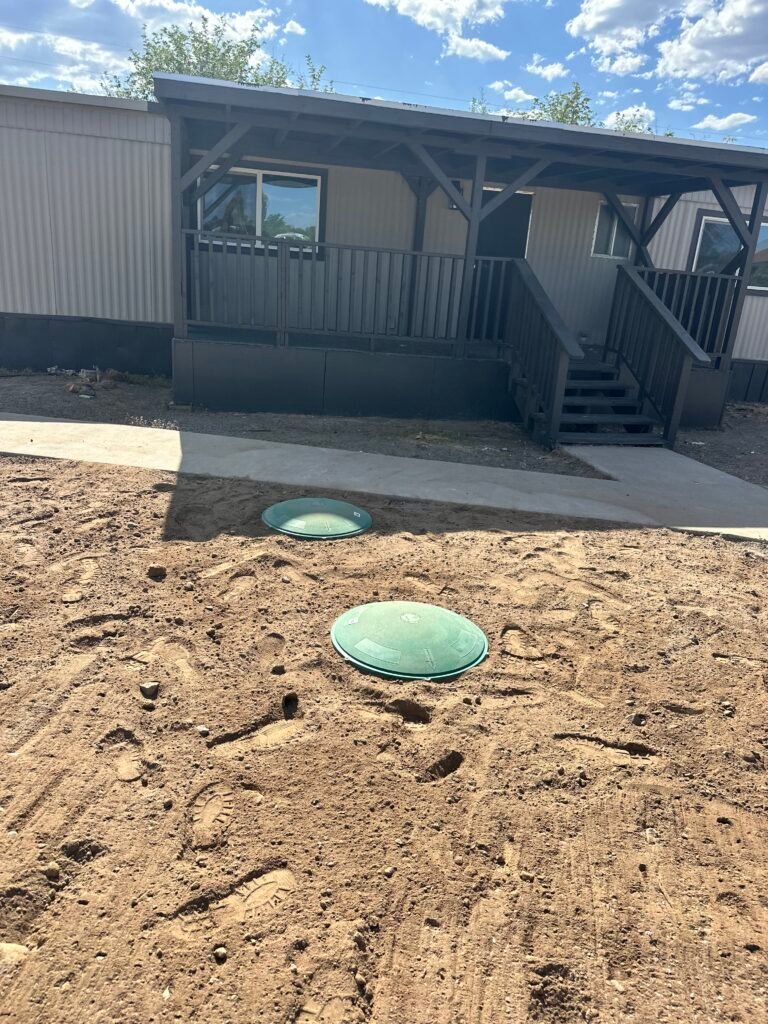
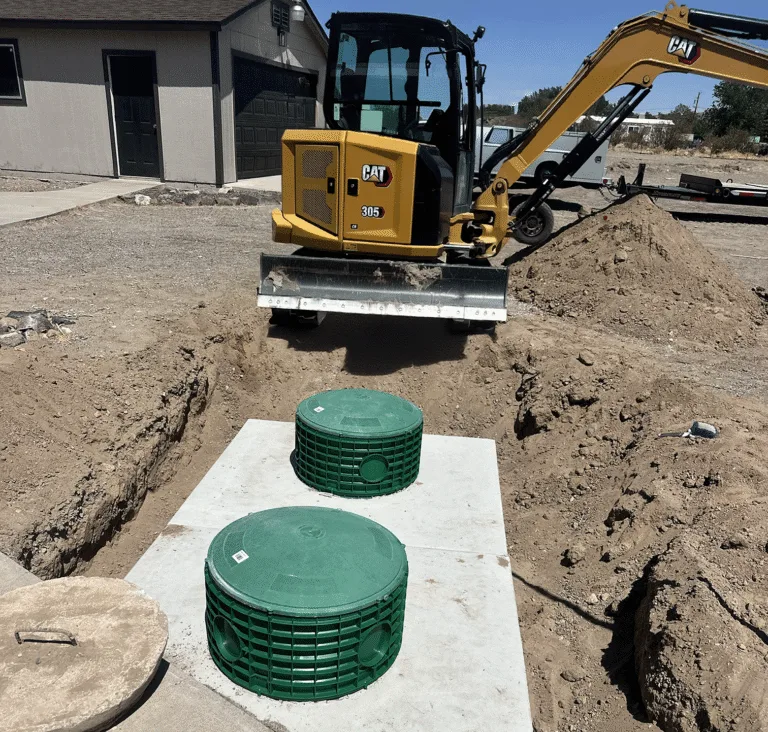
- Risers and Lids: If you have septic tank risers installation Reno, ensure the lids are tightly bolted down. While the tank contents are warm, the lids can be exposed to freezing winds. A tight seal prevents cold air from entering.
- Drainage: Ensure the ground over your drain field is clear of objects that could compress the soil, which can harm the natural insulation protecting the leach lines.